Website DNS
Website DNS
Check the DNS record of the website online using this tool
Website DNS
| Type | Host | Class | Target | TTL |
|---|---|---|---|---|
| A | acktime.com. | IN | 172.67.163.234 | 286 |
| A | acktime.com. | IN | 104.21.66.194 | 286 |
| AAAA | acktime.com. | IN | 2606:4700:3034::6815:42c2 | 300 |
| AAAA | acktime.com. | IN | 2606:4700:3036::ac43:a3ea | 300 |
| NS | acktime.com. | IN | neil.ns.cloudflare.com. | 86400 |
| NS | acktime.com. | IN | ivy.ns.cloudflare.com. | 86400 |
| TXT | acktime.com. | IN | "trustpilot-one-time-verification-id=21a64a37-ec71-405b-9489-988422df56d6" | 300 |
Last update on 2026-08-23 12:28:16

ACKTime | VSF Watches, Super Clone Rolex Replica Watches Online
- Title
- ACKTime | VSF Watches, Super Clone Rolex Replica Watches Online
- Description
- Discover premium collection of classic and modern luxury watches at Acktime. Shop stylish reliable timepieces for men and women with reliable quality and worldwide shipping.
- Link
- acktime.com
- Image
-

Latest sites

Edmonton Wedding Photographer & Videographer

ACKTime | VSF Watches, Super Clone Rolex Repl

mellstroy.game
skyiwredshjnhjgeleladu7m7mgpuxgsnfxzhncwtvmhr
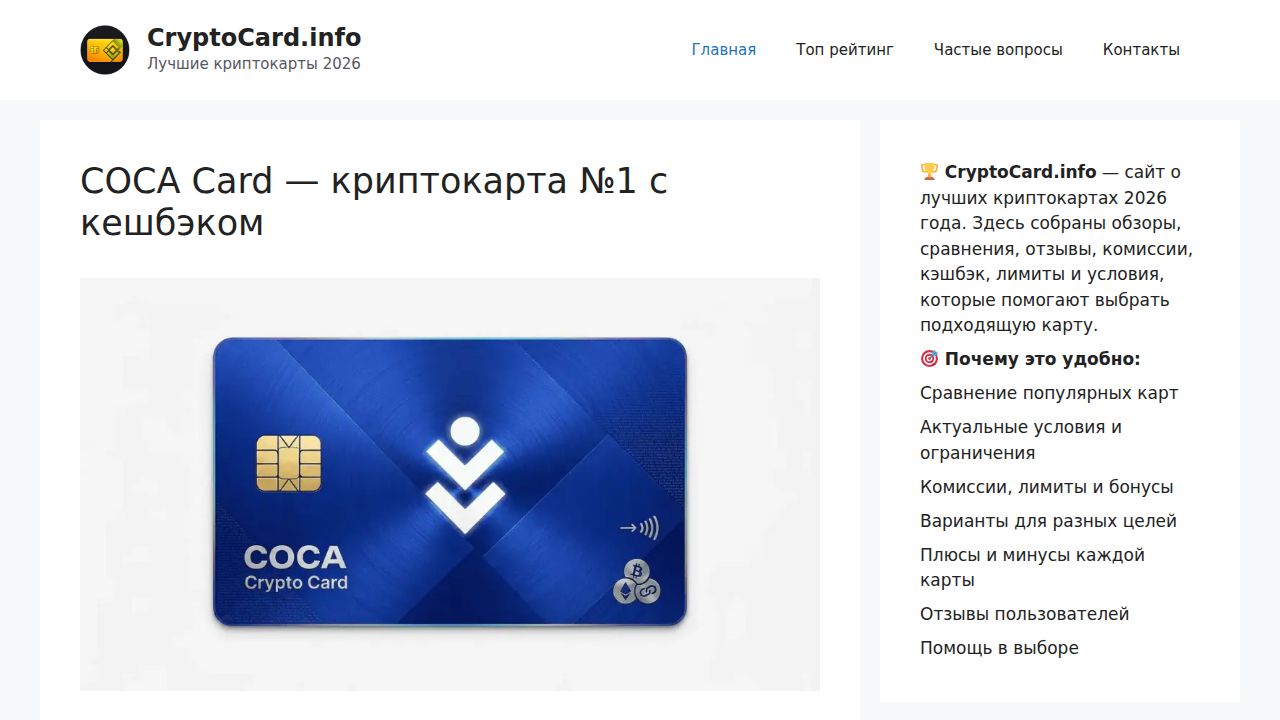
Лучшие криптокарты 2026 — топ рейтинг, обзоры
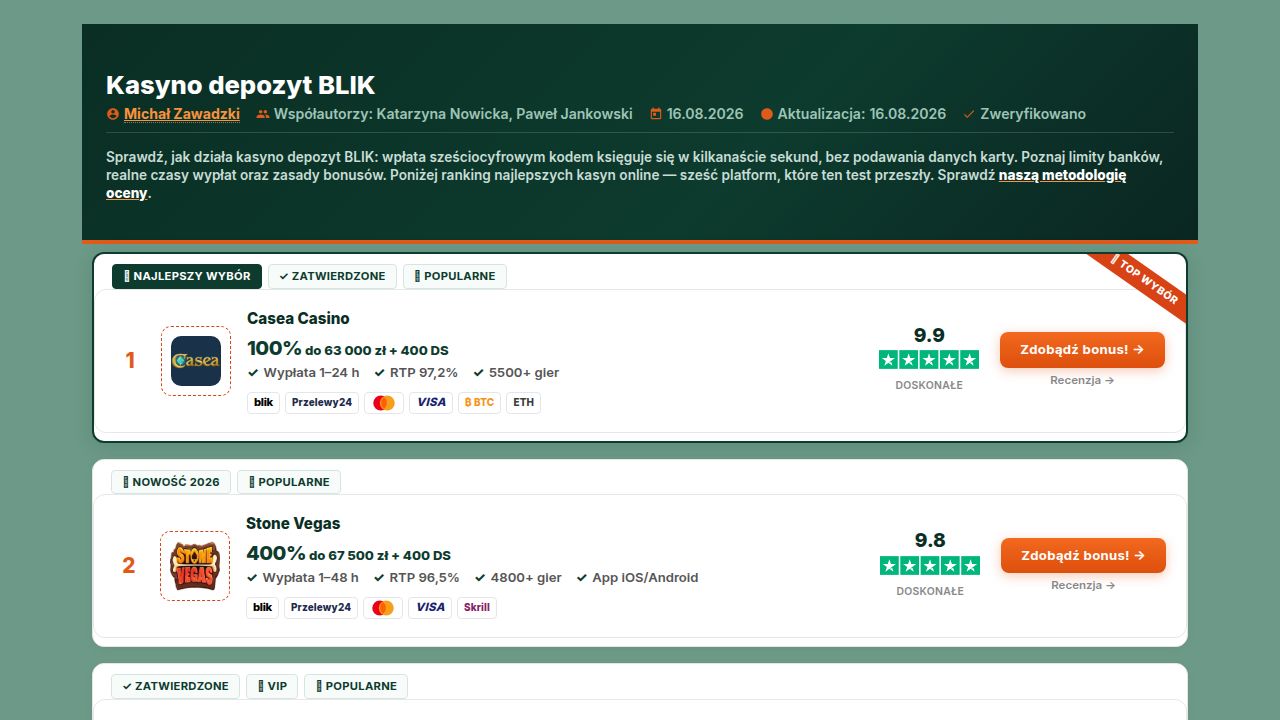
Kasyno depozyt BLIK 2026 – ranking, limity i
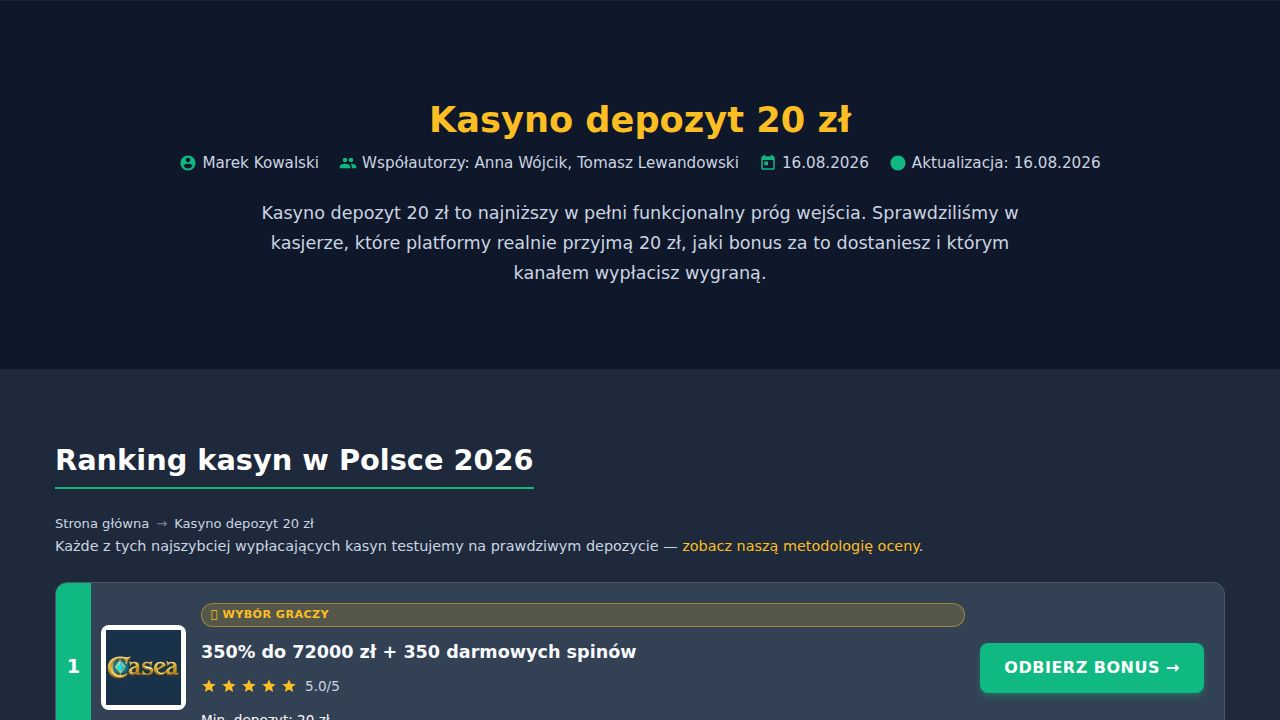
Kasyno depozyt 20 zł 2026 – ranking, bonusy i
HelpMe
Kasyno minimalna wpłata Skrill 2026 - progi,
Enter a domain and this tool queries its DNS records directly: A/AAAA for IP addresses, MX for mail routing, TXT for verification and SPF/DKIM records, NS for nameservers, and more. It's built for confirming a DNS change has actually propagated, or figuring out why email or a site isn't resolving the way it should.
Enter a domain like this to see its live DNS records:
example.com
→
A, MX, NS, TXT and other records currently published for that domain
Why don't I see my recent DNS change yet?
DNS changes take time to propagate because of caching (TTL) at resolvers around the world. A change can take anywhere from a few minutes to about 48 hours to show up everywhere.
What does an MX record tell me?
It tells you which mail servers are responsible for receiving email for that domain, in priority order.
Why would a domain have multiple TXT records?
TXT records get used for several unrelated things at once: domain verification, SPF for email senders, DKIM keys, and more. So a domain often ends up with several.
Does this tool query my own DNS cache?
No, it queries DNS records directly, so it reflects what is actually published, independent of any caching on your own device or network.